



23 JUNE 2026 – WINDHOEK
While digitisation offers immense promise for Namibia’s oil and gas sector, its
success depends on the country’s ability to overcome critical challenges. As
the industry evolves, addressing these issues will be key to ensuring a
sustainable and inclusive digital transformation.
The Skills Gap Challenge
One of the most pressing concerns is the shortage of skilled professionals.
Current estimates indicate that Namibia can meet only about 45% of the
technical skills required by the oil and gas sector. This gap spans fields such as
data science, engineering, cybersecurity, and digital systems management.
Without a sufficiently skilled workforce, Namibia risks becoming overly
dependent on foreign expertise. To mitigate this, the country must invest in
education and vocational training, modernise curricula, and promote
partnerships between universities and industry players. Knowledge transfer
programmes will also be essential in building local capacity.
Infrastructure and Connectivity Constraints
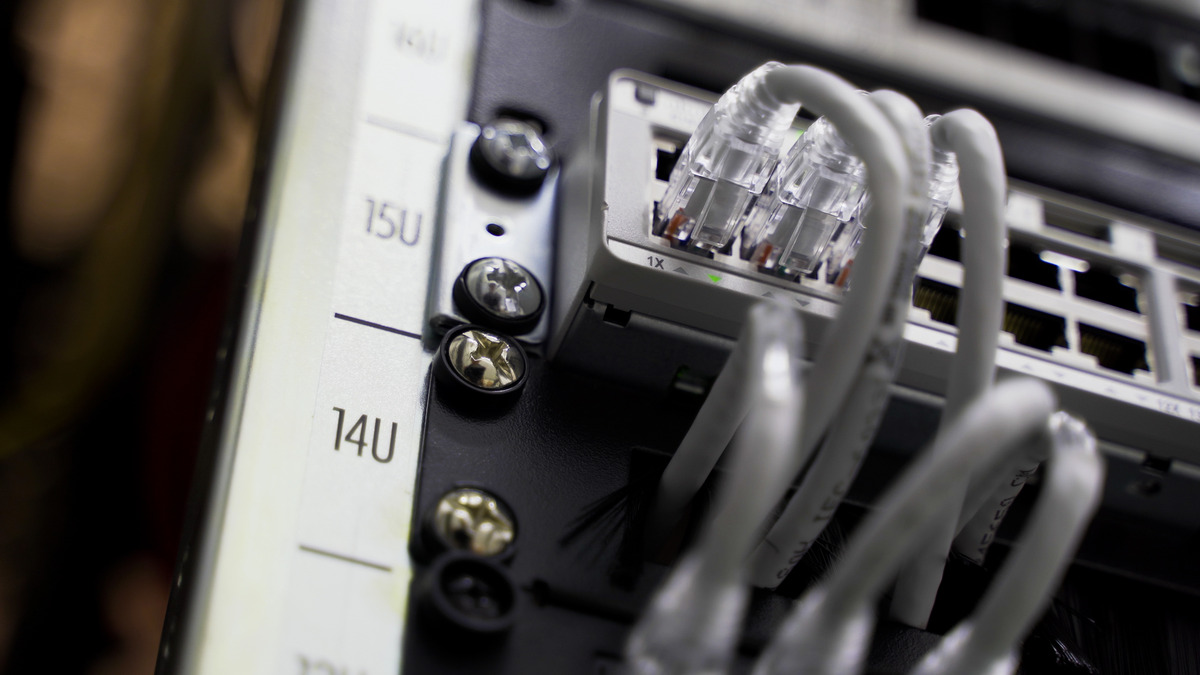
Digitisation relies heavily on robust digital infrastructure, including high-speed
internet, reliable telecommunications, and secure data systems. Namibia’s
vast geography and offshore operations make this particularly challenging.
Significant investment is required to develop high-bandwidth networks, remote
monitoring systems, and advanced communication technologies. Without
these, real-time data exchange and remote operations – core elements of
digitisation, cannot function effectively.
Cybersecurity Risks
As digital systems become more integrated, they also become more
vulnerable to cyber threats. Oil and gas infrastructure is a high-value target for
cyberattacks, which can disrupt operations, compromise data, and cause
significant financial losses.
Namibia must therefore prioritise cybersecurity by implementing strong
regulatory frameworks, adopting international best practices, and investing in
national cyber defence capabilities. Collaboration with institutions such as
Namibia Cyber Security Incident Response Team (NAM-CSIRT) is crucial in
building resilience against digital threats.
The Role of Collaboration and Governance
Successful digitisation requires coordination among multiple stakeholders,
including government agencies, private companies, academic institutions,
and international partners. Public-private partnerships will be particularly
important in mobilising resources, sharing knowledge, and accelerating
innovation.
Regulatory frameworks must also evolve to support digital transformation.
Clear policies on data governance, cybersecurity, and technology adoption
will provide a stable environment for investment and innovation.
Unlocking Inclusive Growth
Despite these challenges, digitisation presents a unique opportunity for
Namibia to drive inclusive economic growth. By creating jobs in emerging
fields such as automation, data analytics, and digital infrastructure, the sector
can stimulate broader economic development.
Moreover, the adoption of digital technologies can support environmental
sustainability, improve safety standards, and enhance Namibia’s position in the
global energy market.
A Strategic Imperative
The path forward is clear – Namibia must treat digitisation as a national priority.
With coordinated investment, strong governance, and a commitment to skills
development, the country can overcome its challenges and unlock the full
potential of its oil and gas resources.
In doing so, Namibia will not only build a modern energy sector but also lay the
foundation for a resilient, knowledge-driven economy, which is one that thrives
in the digital age.
END
Issued by:
Ms. Helene Vosloo